


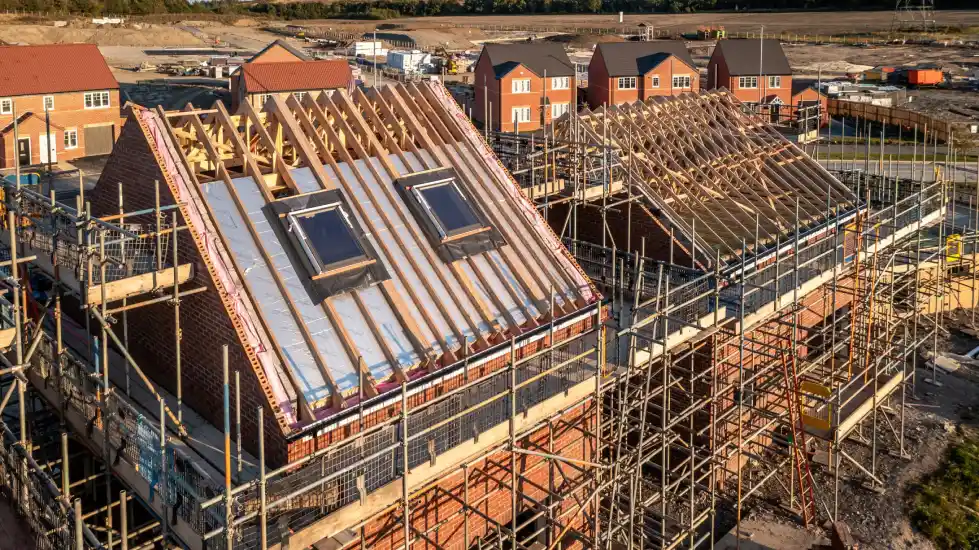
Precise cost control in construction depends on how effectively a Roofing Estimate accounts for material grade, roof slope, flashing complexity, and regional codes. Modern estimators rely on tools like CostX, Buildxact, and Cordell to automate quantity take-offs, labour costs, and supplier pricing updates.
Key Factors Impacting Roofing Costs
Understanding what drives roofing costs helps builders deliver realistic quotes and manage expectations. Materials often top the list, but design twists and site hurdles add layers of expense. Labour rates vary by state, and energy standards push for pricier options. In fact, average roof installation costs in Australia sit between $80 and $150 per square metre, reflecting these influences.
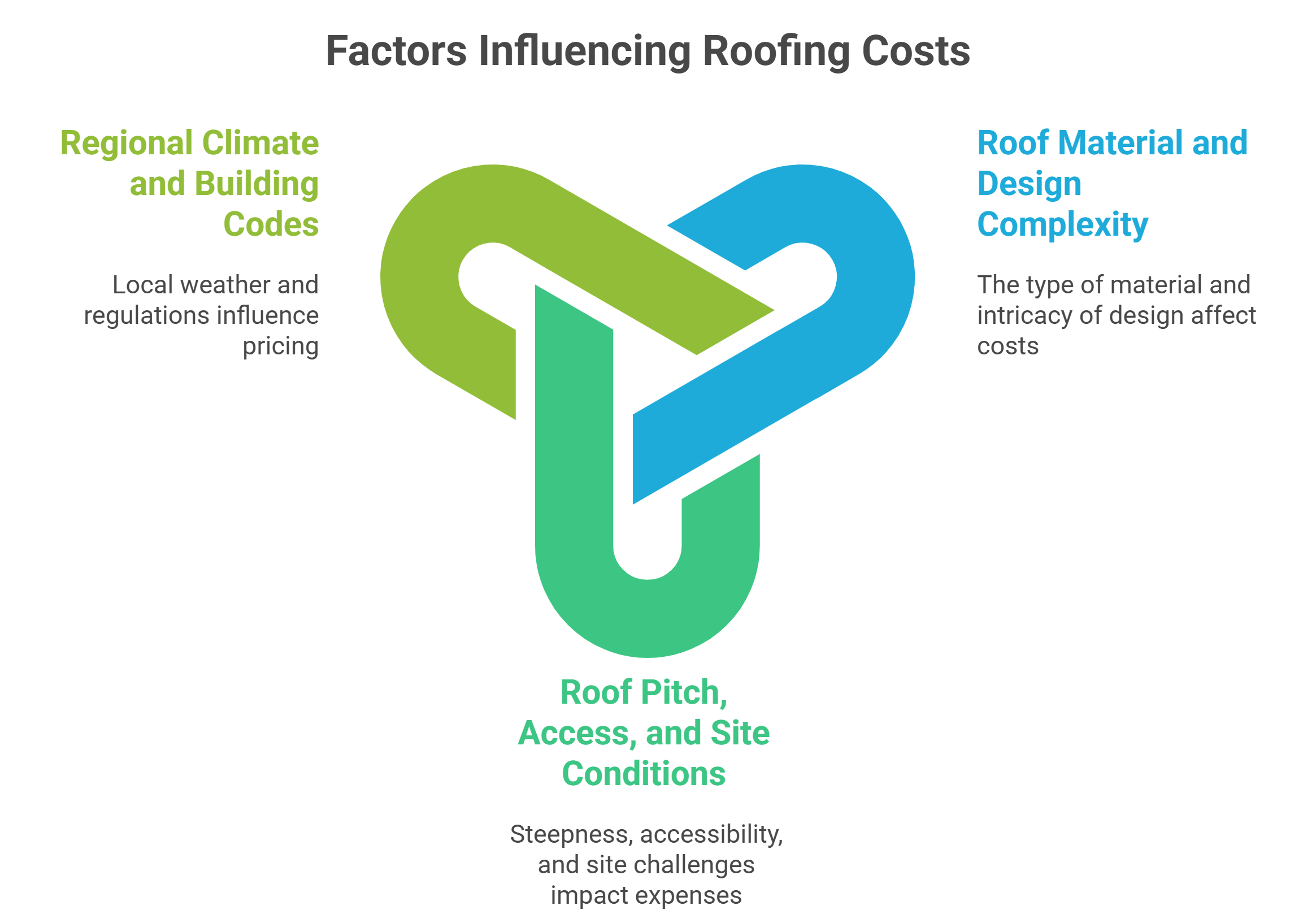
External pressures like building codes and market shifts further shape the final figure. For instance, regional labour rates can differ by up to 10% between Sydney and Brisbane due to supply chains. Keeping tabs on these ensures your roofing estimate stays competitive without skimping on quality or safety.
Roof Material and Design Complexity
Choosing the right roof material sets the tone for both cost and longevity in Australian builds. Tiles might suit traditional homes but demand more upkeep in humid spots, while metal offers resilience against hail. Mechanical estimating plays a key role here, breaking down components for spot-on pricing without guesswork.
- Durability: Metal lasts 40-70 years; tiles 50 years with care.
- Lifespan: Composites bridge the gap at 20-50 years.
- Cost Range: $50-$150 per square metre, varying by quality.
Roof Pitch, Access, and Site Conditions
Steep pitches and tricky access points ramp up the challenge in roofing jobs, demanding extra safety measures and time. Higher roofs mean more specialised gear, pushing labour costs northward. Site specifics like uneven terrain or nearby obstacles complicate things further, but planning ahead keeps the roofing estimate grounded.
- Scaffolding needs: Essential for heights over 3 metres to meet Safe Work Australia guidelines.
- Crane setup: Required for heavy materials on multi-storey sites, adding $500-$2,000 daily.
- Stormwater design: Integrates gutters and downpipes compliant with AS/NZS 3500 standards.
Regional Climate and Building Codes in Australia
Australia’s varied climates demand tailored roofing choices to handle everything from cyclones to intense UV rays. In bushfire zones, materials with high BAL ratings become non-negotiable, lifting costs but ensuring compliance with the National Construction Code. Statistics show regional cost differences can reach 10-15% higher in northern states due to weather resilience needs.
Roofing Estimate Methods and Best Practices
Crafting a solid roofing estimate starts with thorough takeoffs and reliable supplier inputs. Traditional methods involve measuring plans manually, then layering in quotes for materials and labour. This approach builds a clear picture, but it thrives on up-to-date data to avoid surprises down the line.How to Bid a Roofing Job: An Easy Guide to Pricing Roofing Work
Shifting to digital tools modernises the process, offering real-time updates and fewer errors. Cloud platforms integrate seamlessly, enhancing precision across teams. Linking this to construction trade estimating ensures every roofing estimate aligns with broader project goals, fostering efficiency in Australian builds.
Using Digital Takeoff and Cost Estimating Tools
Digital tools transform how estimators handle measurements and pricing, cutting down on manual drudgery. Software like CostX pulls dimensions straight from plans, while Cubit updates costs instantly from databases. Among Australian pros, adoption has surged 25% in recent years, driven by tighter deadlines and complex regs.
| Tool Name | Key Features | Typical Use Case |
|---|---|---|
| CostX | 3D takeoff, BIM integration, auto-quantification | Large commercial projects needing detailed breakdowns |
| Cubit | Live-linked estimates, custom reports, cloud sync | Residential renovations with frequent plan changes |
| Buildsoft | Job costing, tendering tools, supplier links | Industrial sites requiring budget tracking over time |
Comparing Manual and Software-Based Estimates
Manual spreadsheets offer a hands-on feel but often fall short on speed and accuracy in busy projects. Software steps in with automated calculations, slashing error rates by half. For roofing estimates, this means quicker turnarounds and better compliance, making it a go-to for modern Australian contractors.
- Consistency: Uniform data entry reduces variances across jobs.
- Version control: Tracks changes to prevent outdated figures.
- Live supplier pricing: Pulls current rates for precise budgeting.
Typical Roofing Costs Across Major Australian Cities
Roofing prices shift noticeably from city to city, influenced by local labour, transport, and demand. Sydney’s bustling market drives higher rates, while Perth benefits from mining booms. A 2024-2025 report notes average costs inflated by 5-7% nationwide due to supply chain pressures.How Much Does a New Roof Cost in Australia?
| City | Average Cost per m² | Material Popularity |
|---|---|---|
| Sydney | $100-$180 | Metal for durability |
| Melbourne | $90-$160 | Tiles for aesthetics |
| Brisbane | $80-$150 | Colorbond for heat resistance |
| Perth | $85-$155 | Composites for cost-efficiency |
Common Mistakes That Skew Roofing Estimates
Overlooking waste allowances can throw a roofing estimate off by 10-20%, leading to rushed orders and extra fees. Ignoring site access or using stale supplier data compounds the issue, eroding profit margins. Spotting these early through double-checks keeps projects profitable.
Relying on outdated codes or skimping on contingencies invites rework, hiking costs unnecessarily. Builders who prioritise detailed reviews avoid these pitfalls, ensuring their roofing estimate reflects real-world scenarios. This practice not only saves money but bolsters client trust in the long run.Top 5 Common Mistakes in Roofing Estimates (And How to Avoid Them)
- Factor in 10-15% waste for materials to cover cuts and errors.
- Verify access with site visits before quoting to account for equipment needs.
- Update supplier prices quarterly to dodge inflation surprises.
Roofing Estimate for Different Project Types
Tailoring a roofing estimate to the project type—be it a cosy home or sprawling warehouse—demands distinct approaches. Residential jobs lean on aesthetics and energy perks, while commercial ones tackle heavy loads and regs. This custom fit ensures accuracy and meets Australia’s diverse building needs.
Residential Homes and Renovations
Homeowners prize roofs that blend style with insulation, especially in renos where budgets are tight. Focus shifts to energy-efficient designs that cut bills long-term. Stats reveal reroofing accounts for about 40% of residential roofing jobs in Australia, driven by ageing homes and sustainability pushes.
Commercial and Industrial Roofs
Large-scale roofs prioritise strength for loads and efficient water runoff, often using metal panels or reflective coats. These setups handle Australia’s harsh conditions while meeting strict codes. Construction trade estimating becomes crucial here, aligning detailed breakdowns with national standards for seamless execution.
Data-Driven Roofing Estimates Build Trust and Profitability
Leveraging solid data in your roofing estimate guarantees clear costs and happy clients across Australian projects. Advanced tools sharpen accuracy, trimming waste and upholding compliance. This approach not only safeguards profits but encourages ongoing training, keeping builders ahead in a competitive field.